One thing that has been such a special treat during our time here is how everything just works. Korea has its problems, and you see some head scratchers that make you tilt your head and wonder “huh.” But so many things just work.
Traffic could perhaps best be described as feral. Cars weave, swerve, honk, cut each other off, slam on breaks, drive on the sidewalk. Motorbikes thread their way between cars, lamp posts and pedestrians. Bikes lane split. Cars lane split. Busses lane split. But there’s an agreement among drivers that the roads are just going to be a free-for-all. We’ve put on a lot of road miles, but haven’t seen a single accident. No signs of road rage. The only dented vehicle we’ve seen was, ironically, a giant Mercedes Maybach. And there are no potholes. Roads are important so they are maintained. Pedestrians, meanwhile, obey crossing signs.
Public trash cans are scarce, and so is litter. Roughly 20% of Koreans smoke, but they dont leave their butts on the street. The trains run on time, are clean, and have barriers to prevent passengers from ending up on the tracks. It’s safe, with very little police presence (except during mass protests, but even then police rarely carry firearms or stun guns). You could leave you laptop, wallet, phone and passport on the coffee shop table, go to the bathroom, have everything still be there when you return. There are self-service restaurants and stores: help yourself then pay. The necessary services work, and people honor the honor system.
People are polite (except a couple of taxi drivers we pissed off, but that’s another story). Your phone gets 5 bars of service EVERYWHERE, including 3 stories underground, and hurtling through tunnels at 200 mph on the bullet train. At home we struggle to bring reliable cell service to our rural, mountainous state. Despite its mountainous geography Korea has solved that problem, because it was an important problem to solve.
Even when faced with a major political crisis that threatened their very constitution, hundreds of thousands protested peacefully, and the rule of law prevailed.
All of which is to say, if the Koreans can do it, why can’t every developed nation do the same?
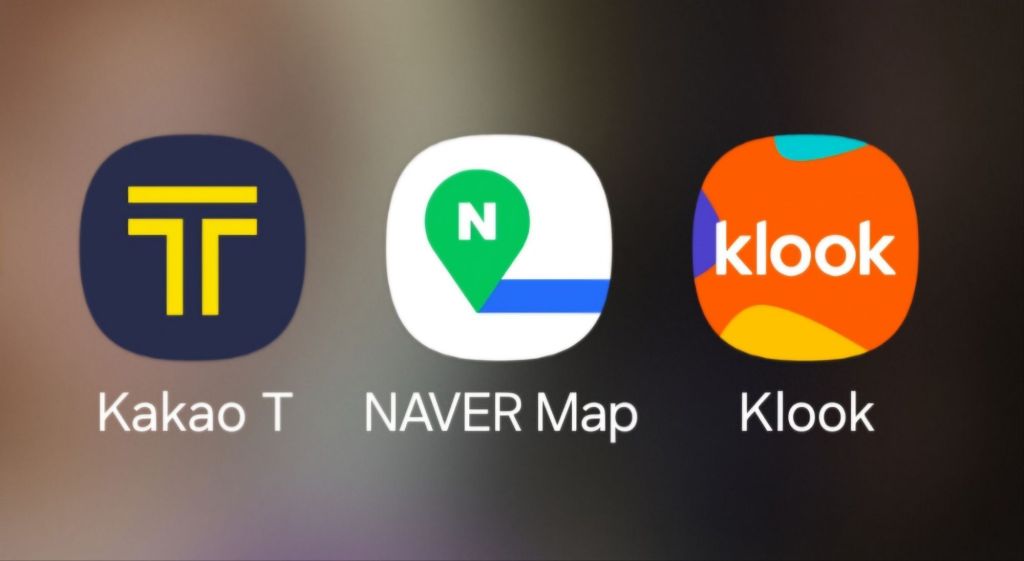
IT that works (and we’ve found to be indispensable) :
The Kakao taxi app let’s you hail a taxi and pay for it. You use a map to identify your pickup and drop off location, so the language barrier is not a problem. Taxis arrive in under 5 minutes, and there is no tipping, so no cash exchanges hands.
Naver is like a Google Maps that actually works. Public transport directions remind you when you approach your subway stop. Location services even works underground.
With Klook you can purchase things like tickets to trains, events or tours, hotel stays, car rentals, gift cards and more all at great discount.


Leave a Reply